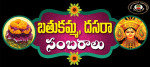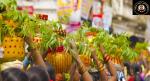

Dasara (also known as Dussehra) is one of the most widely celebrated festivals in India, particularly in the states of Andhra Pradesh, Telangana, Karnataka, Tamil Nadu, and other parts of the country. It marks the victory of good over evil and is observed with great enthusiasm and devotion.
Key Highlights of Dasara:
Victory of Lord Rama over Ravana:
- The festival commemorates the victory of Lord Rama over the demon king Ravana, as described in the Hindu epic Ramayana. According to the legend, Lord Rama fought and defeated Ravana, who had kidnapped his wife, Sita.
- On the tenth day of the festival, known as Vijayadashami, it is believed that Rama killed Ravana, symbolizing the triumph of righteousness (Dharma) over evil (Adharma).
Celebration of Goddess Durga's Victory:
- Dasara also coincides with the celebration of Navaratri, a nine-night festival dedicated to Goddess Durga. It marks the victory of the Goddess over the demon Mahishasura, symbolizing the triumph of divine power over demonic forces.
- The last day of Navaratri is observed as Dasara, celebrating Durga's victory.
Traditions and Rituals:
Durga Puja:
- In regions like Bengal, Dasara is celebrated with Durga Puja, where elaborate rituals are performed to worship Goddess Durga. Temples are decorated, and idols of Durga are installed, followed by prayer, dance, and festivities.
Ravana Dahan:
- One of the most notable traditions is the burning of Ravana's effigy. In many parts of India, large effigies of Ravana are filled with fireworks and set on fire to symbolize the destruction of evil.
- The Ravana Dahan ceremony is often accompanied by performances of Ram Leela, a dramatic reenactment of Lord Rama’s battle against Ravana.
Vijayadashami:
- On the day of Vijayadashami, people worship tools, weapons, and vehicles, a practice known as Ayudha Puja. This is especially popular among artisans, traders, and students, who seek blessings for their work and studies.
Processions and Cultural Events:
- In cities like Mysore, a grand Dasara procession takes place with decorated elephants, traditional music, dance, and religious ceremonies.
- In the southern states, it's common to see Golu (a traditional display of dolls) in homes and temples.
New Clothes and Feasts:
- Like many Indian festivals, Dasara is a time for wearing new clothes. Special feasts are prepared with a variety of traditional dishes.
- People visit friends and family, exchanging sweets and gifts.
Dussehra and Victory of Knowledge:
- In some parts of India, the day is also linked to the victory of knowledge. In southern India, students worship their books and learning tools, a practice known as Vidya Arambham.
Cultural Performances:
- There are grand cultural performances, dances, and music during the festival. In some areas, traditional dance forms like Garba and Dandiya are performed during the nine days leading up to the final day of Dasara.
Regional Variations:
- Mysore Dasara: Known for its royal grandeur, the Mysore Dasara is a 10-day festival that includes a large-scale procession, elephant parades, and traditional rituals in the royal palace.
- Kullu Dasara: Celebrated in Himachal Pradesh, Kullu’s Dasara includes a unique procession with local deities being brought to the town center.
- West Bengal and Eastern India: In states like Bengal, Odisha, and Assam, the festival is celebrated as Durga Puja, which focuses on the worship of Goddess Durga, with massive pandals, cultural performances, and rituals.
Dasara is not only a time of religious significance but also a celebration of culture, community, and the victory of good over evil. It serves as a reminder of the eternal fight between right and wrong and calls for righteousness, devotion, and self-discipline.